
If you’re trying to lower your blood sugar, changing what you eat can make a meaningful difference. But there is an important point to understand first.
Most foods do not actively lower an elevated blood sugar level the way insulin or certain diabetes medications can.
Instead, the best foods for blood sugar control tend to contain less rapidly absorbed carbohydrate, provide more fiber, or help you build balanced meals that produce a smaller or more gradual rise in glucose.
That distinction matters. The goal isn’t to find a “magic” food that brings blood sugar down immediately. It’s to build an eating pattern that helps you manage glucose more effectively over time.
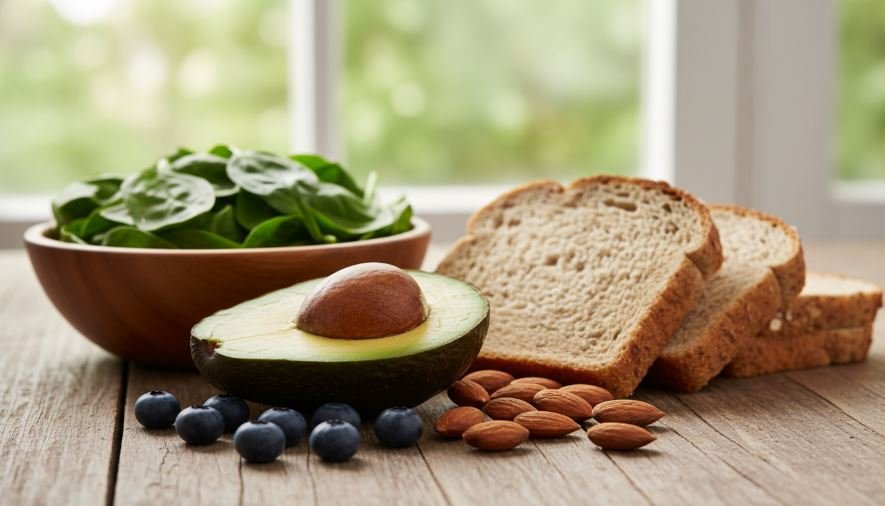
Quick Answer: What Foods Can Help Lower Blood Sugar?
Foods that can support better blood sugar control include:
- Non-starchy vegetables such as broccoli, spinach, peppers, and cauliflower
- Beans and lentils
- Nuts and seeds
- Whole fruits, especially when eaten in appropriate portions
- High-fiber whole grains such as oats and barley
- Fish and other protein-rich foods
- Plain or unsweetened yogurt
- Avocado and other sources of unsaturated fats
These foods don’t necessarily cause your blood sugar to fall immediately after you eat them. Instead, they can help replace foods that produce larger glucose increases and contribute fiber, protein, healthy fats, and important nutrients to your overall diet.
Can Food Actually Lower Blood Sugar?
This is where the phrase “foods that lower blood sugar” can be misleading.
If your blood sugar is already high, eating broccoli, almonds, salmon, or another healthy food should not be expected to bring it down quickly.
Food is generally more useful for managing the glucose rise associated with eating and supporting healthy blood sugar patterns over time.
Carbohydrates usually have the greatest immediate effect on blood glucose. The amount and type of carbohydrate, fiber content, portion size, food preparation, and the rest of the meal can all influence what happens after you eat.
If you’d like to understand that process in more detail, see How Food Affects Blood Sugar.
With that distinction in mind, let’s look at foods that can make blood sugar easier to manage.
1. Non-Starchy Vegetables
Non-starchy vegetables are among the most useful foods for building a blood sugar-friendly diet.
Examples include:
- Broccoli
- Cauliflower
- Spinach
- Kale
- Lettuce and other leafy greens
- Bell peppers
- Cucumbers
- Green beans
- Mushrooms
- Zucchini
- Asparagus
- Brussels sprouts
These vegetables are generally low in carbohydrate while providing fiber, vitamins, minerals, and other beneficial plant compounds.
Because they contain relatively little carbohydrate per typical serving, they usually have a modest direct effect on blood glucose.
They can also add volume to a meal without adding large amounts of carbohydrate.
A simple strategy is to make non-starchy vegetables roughly half of your plate at many meals.
2. Beans and Lentils
Beans and lentils contain carbohydrate, so they can raise blood glucose. But they also provide substantial amounts of fiber and plant protein.
Good choices include:
- Black beans
- Kidney beans
- Chickpeas
- Pinto beans
- Navy beans
- Lentils
- Split peas
Their combination of carbohydrate, fiber, and protein generally makes them different from highly refined carbohydrate foods such as white bread or sugary cereal.
Beans can be used in soups, salads, chili, grain bowls, or as a replacement for some of the meat or refined grains in a meal.
Portion size still matters, particularly if you count carbohydrates.
3. Nuts and Seeds
Nuts and seeds provide a combination of unsaturated fats, protein, fiber, vitamins, and minerals.
Examples include:
- Almonds
- Walnuts
- Pistachios
- Pecans
- Peanuts
- Chia seeds
- Flaxseeds
- Pumpkin seeds
- Sunflower seeds
Most contain relatively little digestible carbohydrate per typical serving, so they usually have a limited immediate effect on blood glucose.
They can also be useful additions to meals that contain carbohydrate. For example, you might add nuts to oatmeal or seeds to plain yogurt.
Portions are still important because nuts and seeds are calorie-dense.
Choose unsalted or lightly salted varieties when appropriate, and watch for products coated with sugar, honey, or sweet glazes.
4. Whole Fruit
Fruit sometimes causes confusion for people trying to control blood sugar because fruit naturally contains sugar.
But whole fruit also provides fiber, water, vitamins, minerals, and beneficial plant compounds.
Examples include:
- Berries
- Apples
- Pears
- Oranges
- Peaches
- Plums
- Kiwi
- Grapefruit
You don’t necessarily need to choose fruit based solely on which one contains the least sugar.
The amount you eat, the total carbohydrate, whether the fruit is whole or processed, and your individual glucose response are more useful considerations.
Whole fruit is generally preferable to fruit juice when blood sugar management is the goal because whole fruit retains its fiber and is typically consumed more slowly.
Dried fruit is more concentrated, so smaller portions can provide substantial amounts of carbohydrate.
If you monitor your blood sugar, you may find that certain fruits or portion sizes work better for you than others.
5. Whole Grains
Whole grains contain carbohydrate and will raise blood sugar. They should not be described as foods that directly lower glucose.
However, some minimally processed, fiber-rich whole grains can be useful replacements for refined grains.
Examples include:
- Oats
- Barley
- Quinoa
- Bulgur
- Brown rice
- Whole-grain breads
The glucose response varies considerably among grain products.
“Whole grain” does not automatically mean a food will have little effect on blood sugar. Processing, portion size, fiber content, preparation, and the specific grain all matter.
When buying packaged grain products, look at the Nutrition Facts label for total carbohydrate and dietary fiber rather than relying only on claims on the front of the package.
6. Fish
Fish provides protein and generally contains little or no carbohydrate unless it is breaded or served with a carbohydrate-containing sauce.
Good choices can include:
- Salmon
- Sardines
- Trout
- Tuna
- Cod
- Herring
Fatty fish such as salmon, sardines, trout, and herring also provide omega-3 fatty acids.
Fish does not directly lower blood glucose after you eat it. Its advantage is that it provides protein without the large carbohydrate load found in many refined foods.
How it is prepared matters. Grilled, baked, broiled, or poached fish is nutritionally different from heavily breaded or deep-fried fish.
7. Eggs and Other Protein Foods
Eggs contain very little carbohydrate and therefore usually have little direct effect on blood glucose.
Other protein-rich foods can include:
- Chicken
- Turkey
- Lean meats
- Tofu
- Tempeh
- Cottage cheese
- Unsweetened Greek yogurt
Protein can be an important part of a balanced meal, but it should not be thought of as something that “cancels out” carbohydrate.
If you eat eggs with a large stack of pancakes and syrup, for example, the eggs don’t prevent the carbohydrate in the rest of the meal from affecting your glucose.
Instead, think about the composition of the entire meal.
8. Plain Yogurt and Other Unsweetened Dairy Foods
Milk and yogurt naturally contain carbohydrate, but the amount varies by product.
Plain Greek yogurt can be a useful option because it typically provides substantial protein without the large amounts of added sugar found in some flavored yogurts.
You can add:
- Berries
- Nuts
- Seeds
- Cinnamon
Be careful with flavored yogurts marketed as healthy. Some contain significant amounts of added sugar.
Check the Nutrition Facts label for Total Carbohydrate and Added Sugars.
9. Avocado and Other Sources of Unsaturated Fat
Avocados are relatively low in digestible carbohydrate and provide fiber and predominantly unsaturated fat.
Other sources of unsaturated fats include:
- Olive oil
- Nuts
- Seeds
- Nut butters
- Certain fish
These foods can be part of a balanced eating pattern, but adding large amounts of fat simply to prevent a blood sugar spike isn’t necessary.
Fat is calorie-dense, so portions still matter.
The goal is to favor nutrient-dense sources of unsaturated fats rather than assuming that more fat automatically means better glucose control.
What About Cinnamon, Vinegar, and Other Foods Said to Lower Blood Sugar?
You may encounter claims that cinnamon, apple cider vinegar, lemon juice, garlic, or other individual foods can lower blood sugar naturally.
Some foods and ingredients have been studied for possible effects on glucose metabolism. However, the evidence is not strong enough to treat any of them as a reliable substitute for an overall healthy eating pattern, prescribed medication, physical activity, or medical care.
Be particularly cautious with supplements marketed as “natural blood sugar reducers.”
Natural does not automatically mean safe, and supplements can interact with medications or produce side effects.
If you are considering a supplement specifically to lower blood sugar, discuss it with your healthcare professional.
How to Build a Meal for Better Blood Sugar Control
You don’t need a complicated meal plan to start making better choices.
One practical framework is the Diabetes Plate Method.
For a typical meal:
Fill half your plate with non-starchy vegetables.
Broccoli, spinach, peppers, green beans, salad greens, cauliflower, and similar vegetables work well.
Fill about one quarter with protein.
This might be fish, chicken, eggs, tofu, lean meat, or another protein food.
Use the remaining quarter for a carbohydrate food.
This could include beans, lentils, a whole grain, potatoes, or another carbohydrate-containing food appropriate for your eating plan.
Water or another unsweetened beverage can accompany the meal.
This isn’t the only way to eat, and individual carbohydrate needs vary. But it provides a simple starting point for building balanced meals.
For a broader look at food choices and meal planning, see our Diabetes Food Guide.
Does the Order You Eat Your Food Matter?
Some research suggests that eating vegetables and protein before carbohydrate-rich foods may reduce the post-meal glucose rise in some people.
However, this shouldn’t become another complicated rule you feel obligated to follow at every meal.
The amount and type of carbohydrate you eat, your total meal composition, portion sizes, medications, physical activity, and individual glucose response remain important.
If changing meal order is easy for you, it may be something to experiment with. It isn’t a substitute for the overall quality of your diet.
What Foods Should You Limit When Trying to Lower Blood Sugar?
Rather than creating a long list of forbidden foods, it can be more useful to identify foods that provide large amounts of rapidly digested carbohydrate.
These often include:
- Sugar-sweetened beverages
- Candy
- Pastries and sweets
- Many refined grain products
- Sugary breakfast cereals
- Sweetened coffee drinks
- Large portions of highly refined carbohydrate foods
These foods don’t necessarily have to disappear from your diet permanently.
The amount and frequency matter.
For a detailed discussion, see Foods That Raise Blood Sugar.
A Simple Day of Blood Sugar-Friendly Meals
Here is one example of how these foods might fit together.
Breakfast
Plain Greek yogurt topped with berries, chia seeds, and a small portion of nuts.
Or eggs with sautéed vegetables and a slice of whole-grain toast.
For more ideas, see Best Breakfast for Diabetics.
Lunch
A large salad with leafy greens, cucumbers, peppers, chickpeas, grilled chicken or tofu, and an olive oil-based dressing.
Add a modest portion of whole grain or whole fruit if it fits your needs.
Dinner
Baked salmon with roasted broccoli and a portion of lentils, beans, barley, or another carbohydrate food.
Snack
Depending on your needs and treatment plan, possibilities include:
- Whole fruit with a small portion of nuts
- Vegetables with hummus
- Plain Greek yogurt
- A hard-boiled egg with vegetables
Not everyone needs snacks between meals. Whether you do can depend on hunger, activity, medications, glucose patterns, and your overall eating plan.
Don’t Forget Portion Size
A nutritious food can still raise blood sugar if it contains carbohydrate and you eat a large amount of it.
Brown rice is still a carbohydrate.
Oatmeal is still a carbohydrate.
Beans contain carbohydrate.
Fruit contains carbohydrate.
The fact that these foods provide fiber and nutrients doesn’t mean portions are unlimited.
This is particularly important if you use carbohydrate counting as part of your diabetes treatment.
Your Individual Blood Sugar Response Matters
Two people can eat the same meal and have different glucose responses.
Your response can be influenced by:
- Insulin sensitivity
- Physical activity
- Sleep
- Stress
- Illness
- Medications
- Hormonal changes
- Time of day
- Portion size
- What you ate earlier
This is one reason universal lists of “good” and “bad” foods can be misleading.
If your treatment plan includes glucose monitoring, your readings can help you and your healthcare team identify patterns and determine which meals and portions work well for you.
For help understanding glucose readings, see our Blood Sugar Chart.
Can You Lower High Blood Sugar Quickly With Food?
If your blood glucose is already significantly elevated, food should not be treated as an emergency method for lowering it.
Eating a particular vegetable, spice, fruit, or other food is not a reliable treatment for dangerously high blood glucose.
Follow the treatment plan provided by your healthcare professional.
If you have diabetes and your blood sugar is unusually high, especially if it remains high or you have symptoms such as vomiting, difficulty breathing, confusion, severe weakness, or signs of dehydration, seek appropriate medical advice promptly.
People with diabetes should also follow their healthcare team’s instructions about checking ketones and obtaining urgent care when appropriate.
Frequently Asked Questions
What food lowers blood sugar immediately?
There isn’t a specific food that can reliably lower elevated blood sugar immediately.
Foods can help you manage your overall glucose response, but insulin and certain diabetes medications have direct glucose-lowering effects that food does not reproduce.
What is the best food to eat to lower blood sugar?
There is no single best food.
Non-starchy vegetables, beans, lentils, nuts, seeds, whole fruits, appropriate portions of high-fiber whole grains, and protein-rich foods can all contribute to an eating pattern that supports better blood sugar management.
What foods don’t raise blood sugar much?
Foods containing little digestible carbohydrate generally have a smaller immediate effect on blood glucose.
Examples include many non-starchy vegetables, eggs, fish, meat, poultry, nuts, seeds, and certain cheeses.
That does not mean these foods should be eaten without regard to calories, saturated fat, sodium, or overall nutrition.
Can drinking water lower blood sugar?
Water is important for hydration and is a good replacement for sugar-sweetened beverages.
However, drinking water should not be considered a substitute for appropriate treatment when blood glucose is high.
Can you control type 2 diabetes with diet alone?
Some people with type 2 diabetes can reach their glucose goals through lifestyle changes without glucose-lowering medication, particularly in certain circumstances.
Others need medication, and treatment needs can change over time.
Diet, physical activity, weight management when appropriate, medication, sleep, and other health factors can all be part of diabetes management.
Do not stop or reduce prescribed diabetes medication simply because your diet has improved unless you have discussed the change with your healthcare professional.
Are natural remedies safe for lowering blood sugar?
Not necessarily.
“Natural” does not guarantee that a product is effective or safe. Herbs and supplements can cause side effects and may interact with diabetes medications, potentially contributing to blood sugar that is too high or too low.
Discuss supplements or herbal remedies with your healthcare professional before using them specifically to lower glucose.
Final Thoughts
When people search for foods that lower blood sugar, they are often hoping to find a particular food that will quickly bring a high reading down.
Nutrition usually doesn’t work that way.
A better approach is to choose foods that help you build meals with appropriate amounts of carbohydrate, plenty of fiber and nutrients, and enough protein and healthy fats to meet your needs.
Non-starchy vegetables, beans, lentils, whole fruits, nuts, seeds, fish, and other nutrient-dense foods can all play a role.
You don’t need to eat perfectly, eliminate every carbohydrate, or depend on a list of “superfoods.”
Focus on your overall eating pattern, portion sizes, and your own glucose response.
Over time, those everyday choices can make blood sugar easier to manage while also supporting your overall health.