
Type 2 diabetes was once considered an adult disease, but that has changed dramatically over the past few decades. Today, more teenagers are being diagnosed with type 2 diabetes than ever before.
Learning that a teenager may have type 2 diabetes can be overwhelming for both parents and teens. The good news is that early diagnosis, proper treatment, and healthy lifestyle habits can help most teens successfully manage the condition and live active, healthy lives.
In this guide, you’ll learn what adolescent type 2 diabetes is, what causes it, the symptoms to watch for, how it is diagnosed, and the treatment options available.
Quick Answer
Adolescent type 2 diabetes occurs when a teenager’s body becomes resistant to insulin and can no longer keep blood sugar levels within a healthy range. Common risk factors include excess weight, family history, physical inactivity, and certain ethnic backgrounds. Treatment typically involves healthy lifestyle changes, blood sugar monitoring, medication, and sometimes insulin therapy.
What Is Adolescent Type 2 Diabetes?
Type 2 diabetes is a chronic condition that affects how the body processes glucose, which is the primary source of energy for the body’s cells.
Normally, the pancreas produces insulin, a hormone that helps move glucose from the bloodstream into the cells. In teenagers with type 2 diabetes, the body becomes resistant to insulin. As a result, glucose builds up in the bloodstream instead of being used efficiently for energy.
At first, the pancreas tries to compensate by producing more insulin. Over time, however, it can no longer keep up with the body’s demands. Blood sugar levels begin to rise, leading to prediabetes and eventually type 2 diabetes.
Unlike type 1 diabetes, where the body produces little or no insulin, adolescents with type 2 diabetes usually still produce insulin. The problem is that their bodies cannot use it effectively.
If you would like a better understanding of the different forms of diabetes, see our guide on Diabetes Types.

Why Are More Teenagers Developing Type 2 Diabetes?
The rise in adolescent type 2 diabetes closely mirrors increases in childhood obesity and sedentary lifestyles.
Several factors have contributed to this trend:
- Increased consumption of highly processed foods
- Greater intake of sugary beverages
- Larger portion sizes
- Reduced physical activity
- More time spent on computers, smartphones, and other screens
Puberty may also play a role. During adolescence, hormonal changes naturally increase insulin resistance. For teens who already have other risk factors, these changes can increase the likelihood of developing diabetes.
Risk Factors for Adolescent Type 2 Diabetes
Many teens who develop type 2 diabetes have several risk factors working together.
Excess Weight and Obesity
Being overweight is one of the strongest risk factors for type 2 diabetes.
Excess body fat, especially around the abdomen, can interfere with how insulin works. This increases insulin resistance and makes it harder for the body to keep blood sugar levels under control.
If your child struggles with weight issues, our article on How Age and Obesity Affect Diabetes Risk provides additional information.
Family History
Genetics play a major role in diabetes risk.
A teenager with one or both parents who have type 2 diabetes has a significantly higher chance of developing the condition. Having siblings or close relatives with diabetes can also increase risk.
While family history cannot be changed, understanding this risk allows families to focus on prevention and early screening.
Physical Inactivity
Regular exercise helps the body use insulin more effectively.
Teens who spend most of their day sitting, whether at school, gaming, watching television, or using mobile devices, are more likely to develop insulin resistance over time.
Poor Dietary Habits
Frequent consumption of:
- Sugary beverages
- Fast food
- Refined carbohydrates
- Highly processed snacks
can contribute to weight gain and worsening insulin resistance.
A healthier eating pattern can significantly reduce diabetes risk and improve blood sugar control.
Certain Medical Conditions
Some medical conditions increase the likelihood of insulin resistance.
For example, girls with polycystic ovary syndrome (PCOS) often have higher levels of insulin resistance and may face an increased risk of developing type 2 diabetes.
Ethnic and Racial Risk Factors
Some populations have higher rates of adolescent type 2 diabetes, including:
- African Americans
- Hispanic and Latino populations
- American Indians
- Alaska Natives
- Some Asian American populations
- Pacific Islanders
This does not mean diabetes is inevitable, but it may warrant earlier screening and greater attention to prevention.
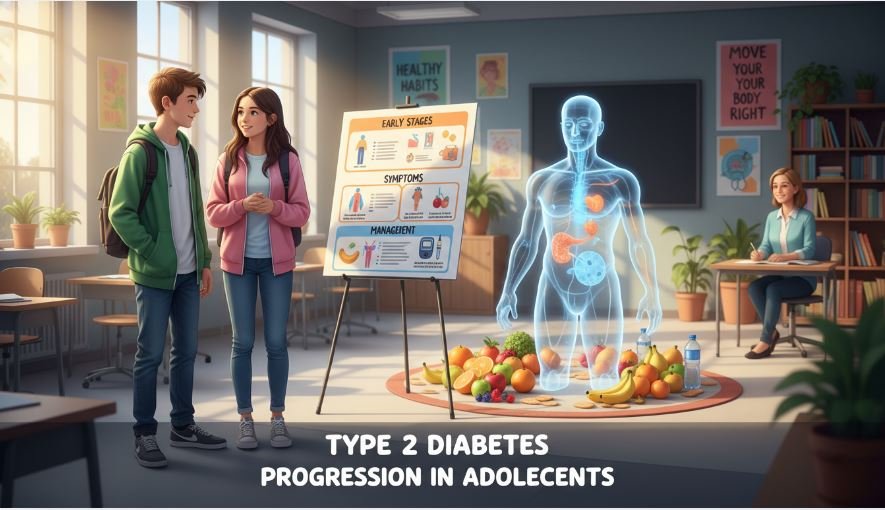
Symptoms of Type 2 Diabetes in Teenagers
One of the challenges of adolescent type 2 diabetes is that symptoms often develop gradually.
In some cases, teenagers may have no noticeable symptoms at all during the early stages.
Early Symptoms
Common early warning signs include:
- Increased thirst
- Frequent urination
- Fatigue
- Increased hunger
- Unexplained weight changes
- Difficulty concentrating
Because these symptoms often develop slowly, they may be mistaken for normal teenage behavior or everyday stress.
Dark Skin Patches
One of the most important warning signs is a condition called acanthosis nigricans.
This appears as dark, velvety patches of skin, usually around:
- The neck
- Armpits
- Groin
- Other skin folds
These patches are often a sign of insulin resistance and should be evaluated by a healthcare provider.
Advanced Symptoms
As blood sugar levels continue to rise, additional symptoms may appear:
- Blurred vision
- Slow healing cuts and wounds
- Frequent infections
- Recurring yeast infections
- Increased fatigue
- Ongoing excessive thirst
If you notice several of these symptoms together, schedule an appointment with your child’s healthcare provider as soon as possible.
You may also want to review our guides on Pre-Diabetes Symptoms and Warning Signs of Diabetes for additional information.
What This Means for You
If your teenager is overweight, has a family history of diabetes, or shows any of the symptoms discussed above, it is worth discussing screening with your healthcare provider.
Many teens with type 2 diabetes are diagnosed before serious complications develop. Early detection gives families more treatment options and can help prevent long-term health problems.
The sooner diabetes is identified, the easier it is to manage effectively.
How Doctors Diagnose Adolescent Type 2 Diabetes
Doctors use several blood tests to determine whether a teenager has diabetes.
Fasting Blood Sugar Test
This test measures blood sugar after at least eight hours without food.
A fasting blood sugar level of 126 mg/dL or higher on two separate tests generally indicates diabetes.
A1C Test
The A1C test measures average blood sugar levels over the previous two to three months.
Results are generally interpreted as:
- Below 5.7%: Normal
- 5.7% to 6.4%: Prediabetes
- 6.5% or higher: Diabetes
The A1C test is commonly used because it does not require fasting and provides a broader picture of blood sugar control.
Oral Glucose Tolerance Test
This test evaluates how the body processes glucose after consuming a sugary drink.
Blood sugar levels are measured before and after drinking the solution to determine how effectively the body handles glucose.
Distinguishing Type 1 and Type 2 Diabetes
Because both forms of diabetes can occur during childhood and adolescence, doctors may perform additional testing to determine which type is present.
This distinction is important because treatment approaches differ significantly between type 1 and type 2 diabetes.
Treatment Options for Adolescent Type 2 Diabetes
Treatment for adolescent type 2 diabetes usually combines lifestyle changes, blood sugar monitoring, and medication when necessary.
The goal is to keep blood sugar levels within a healthy range while supporting your teen’s growth, development, and overall wellbeing.
Every treatment plan is different, and your healthcare provider will recommend an approach based on your teen’s age, health status, blood sugar levels, and individual needs.
Lifestyle Changes
For many teenagers, healthy lifestyle changes form the foundation of treatment.
These changes often include:
- Improving eating habits
- Increasing physical activity
- Reaching and maintaining a healthy weight
- Reducing sedentary behaviors
- Getting adequate sleep
Even modest improvements in these areas can have a significant impact on blood sugar control.
Medications
Many adolescents with type 2 diabetes are prescribed medication to help manage blood sugar levels.
Metformin is often the first medication used. It helps the body use insulin more effectively and reduces the amount of glucose released by the liver.
Some teens may need additional medications if blood sugar levels remain elevated despite lifestyle improvements.
For more information, see our guide on Diabetes Treatment Medication Options.
Insulin Therapy
Although insulin is more commonly associated with type 1 diabetes, some teenagers with type 2 diabetes may also require insulin.
This is more likely when:
- Blood sugar levels are very high at diagnosis
- The pancreas is no longer producing enough insulin
- Other medications are not providing adequate control
In some cases insulin use is temporary, while in others it may become part of long-term treatment.
Nutrition and Meal Planning
Healthy eating plays a major role in managing adolescent type 2 diabetes.
The goal is not to put your teenager on a restrictive diet. Instead, the focus should be on building balanced eating habits that support stable blood sugar levels and overall health.
Foods to Emphasize
A healthy diabetes-friendly eating plan typically includes:
- Non-starchy vegetables
- Fruits
- Whole grains
- Lean proteins
- Beans and legumes
- Low-fat dairy products
- Healthy fats such as nuts, seeds, and olive oil
These foods provide important nutrients while helping support healthy blood sugar control.
For additional guidance, see our articles on Diabetes Food Guide and Foods That Lower Blood Sugar.
Foods to Limit
Certain foods can cause rapid blood sugar spikes and contribute to weight gain when consumed regularly.
Examples include:
- Sugary soft drinks
- Energy drinks
- Candy
- Pastries
- White bread
- Highly processed snack foods
- Fast food meals
This does not mean your teen can never enjoy these foods. The goal is moderation rather than perfection.
You can also learn more about foods that may raise glucose levels in our guide to Foods That Raise Blood Sugar.
Portion Control Matters
Even healthy foods can affect blood sugar when eaten in large amounts.
Simple strategies include:
- Using smaller plates
- Reading serving sizes on labels
- Eating slowly
- Avoiding distracted eating
- Paying attention to hunger and fullness cues
Many families find it helpful to work with a registered dietitian who specializes in diabetes care.
Physical Activity Recommendations
Exercise is one of the most effective tools for improving insulin sensitivity and helping manage blood sugar levels.
Regular physical activity helps the body use glucose more efficiently and can improve overall health in many other ways.
Benefits include:
- Better blood sugar control
- Improved heart health
- Weight management
- Increased energy
- Reduced stress and anxiety
- Better sleep
How Much Exercise Do Teens Need?
Health experts generally recommend at least 60 minutes of physical activity each day for adolescents.
Activities can include:
- Walking
- Cycling
- Swimming
- Team sports
- Dancing
- Hiking
- Strength training
The best exercise is often the one your teenager enjoys enough to do consistently.
Making Activity Sustainable
Many teens are more likely to stay active when exercise feels enjoyable rather than mandatory.
Helpful strategies include:
- Exercising with friends
- Joining sports teams
- Setting realistic goals
- Limiting recreational screen time
- Participating in family activities
Small changes can add up over time and make a meaningful difference in blood sugar control.
Monitoring Blood Sugar Levels
Monitoring blood sugar is an important part of managing adolescent type 2 diabetes. Regular testing helps healthcare providers determine how well treatment is working and whether any adjustments are needed.
Depending on your teen’s treatment plan, your healthcare provider may recommend checking blood sugar at home using a blood glucose meter or a continuous glucose monitor (CGM).
A blood glucose meter measures blood sugar from a small drop of blood, while a CGM uses a small sensor placed under the skin to track glucose levels throughout the day and night.
In addition to daily monitoring, most teenagers with diabetes will have regular A1C tests. The A1C test measures average blood sugar levels over the previous two to three months and helps doctors evaluate long-term blood sugar control.
Monitoring blood sugar levels allows your healthcare team to identify trends, assess treatment effectiveness, and make changes when necessary. Following your provider’s recommendations for testing and follow-up appointments can help keep your teen’s diabetes under control and reduce the risk of future complications.
Potential Complications of Adolescent Type 2 Diabetes
When blood sugar remains uncontrolled for many years, diabetes can increase the risk of heart disease, kidney disease, nerve damage, and vision problems. Fortunately, good blood sugar management can dramatically reduce these risks.
Can Adolescent Type 2 Diabetes Be Prevented?
In many cases, yes.
While genetics and family history cannot be changed, many risk factors for type 2 diabetes are modifiable.
Focus on Healthy Habits Early
Encourage habits such as:
- Regular physical activity
- Balanced nutrition
- Limiting sugary beverages
- Maintaining a healthy weight
- Getting enough sleep
These habits can significantly reduce diabetes risk.
Take Prediabetes Seriously
Prediabetes is a warning sign that blood sugar levels are already elevated.
Without intervention, prediabetes can progress to type 2 diabetes.
If your child has been diagnosed with prediabetes, our article on Pre-Diabetes Symptoms can help you better understand what to watch for.
You may also want to read our guide on How Age and Obesity Affect Diabetes Risk.
Make It a Family Effort
Healthy habits are easier to maintain when the entire household participates.
Simple family changes such as preparing healthier meals, taking walks together, and reducing sugary drinks can support your teen while improving everyone’s health.
What This Means For You
Learning that your teenager may have type 2 diabetes can feel overwhelming, but it is important to remember that this condition can be managed successfully.
Early diagnosis, proper treatment, healthy eating habits, regular physical activity, and ongoing medical care can help your teen live a healthy and active life.
The earlier diabetes is identified and treated, the better the long-term outlook tends to be.
If you notice symptoms or know your child has multiple risk factors, speak with your healthcare provider about screening and prevention strategies.
Continue Learning About Diabetes
If you found this article helpful, you may also want to read:
- Pre-Diabetes Symptoms
- Warning Signs of Diabetes
- Diabetes Types
- How Age and Obesity Affect Diabetes Risk
- Diabetes Food Guide
Frequently Asked Questions About Adolescent Type 2 Diabetes
Can a teenager develop type 2 diabetes even if no one else in the family has it?
Yes. Family history increases risk, but some teenagers develop type 2 diabetes even without a known family history. Lifestyle factors, obesity, and insulin resistance can also contribute.
Is adolescent type 2 diabetes reversible?
Some teenagers can significantly improve blood sugar control through weight loss, healthy eating, and regular exercise. In some cases, blood sugar levels may return to a non-diabetic range. However, ongoing healthy habits remain important.
What is the difference between type 1 and type 2 diabetes in teenagers?
Type 1 diabetes occurs when the immune system attacks insulin-producing cells in the pancreas. Type 2 diabetes occurs when the body becomes resistant to insulin and can no longer use it effectively.
Should overweight teenagers be screened for diabetes?
Many healthcare organizations recommend screening overweight or obese adolescents who have additional risk factors such as family history, insulin resistance, or certain ethnic backgrounds.
What is the most common early symptom?
Increased thirst and frequent urination are among the most common early symptoms, although some teenagers may have no noticeable symptoms initially.
Final Thoughts
Adolescent type 2 diabetes is becoming more common, but early diagnosis and proper treatment can make a significant difference.
Understanding the risk factors, recognizing the warning signs, and encouraging healthy lifestyle habits can help protect your teen’s health now and in the future.
Managing diabetes can be emotionally challenging for some teenagers. Family support, open communication, and guidance from healthcare professionals can make a significant difference.
If you suspect your child may be at risk, talk with their healthcare provider. Early action often leads to better outcomes and can help prevent many of the complications associated with diabetes.